October 13, 2026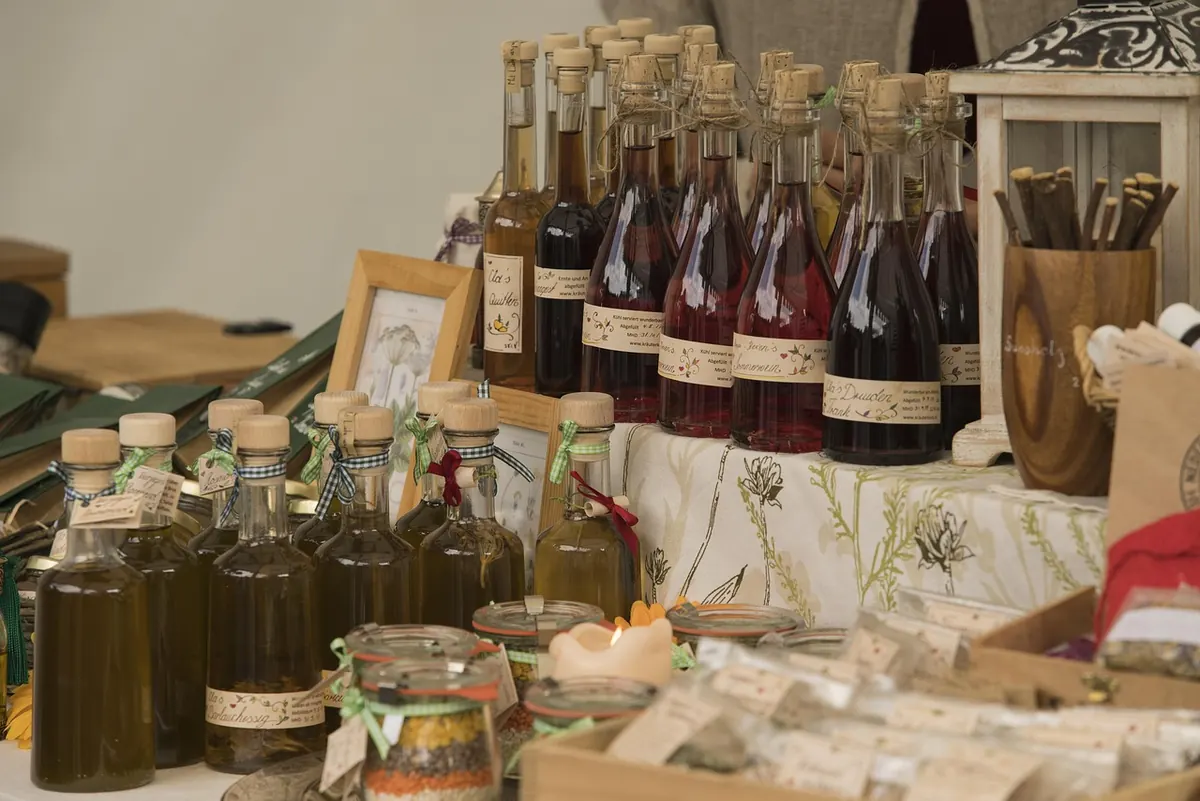
You're standing in a church hall or a Saturday market with a jar in your hand, and the person who made it is three feet away. That's an advantage no product page can match. Most shoppers spend it asking "Which one sells best?" — a question that gets you a bestseller, not a candle that works in your living room. Ask about wax, wick, fragrance and cure time instead, and you'll know within two minutes whether the maker tests their work or simply pours and hopes.
Read the label before you ask anything
A working label carries four things: wax type, wick type, net weight and burn instructions. If any of those are missing, that's your first question, and it isn't automatically damning. Plenty of people start at a kitchen table with a printer and a dream, and labels get better with time. What matters is whether the answer is quick and specific or vague and defensive.
A maker who says "it's a soy-coconut blend, cotton wick, poured three weeks ago, trim it to a quarter inch" is telling you they've thought about how the candle behaves after it leaves their table. A maker who says "it's natural wax" and changes the subject hasn't.
Wax: the answer matters less than the reason behind it
There's no single correct wax, so don't treat this as a pass-or-fail question. Ask what's in the jar, and then ask why they chose it. That second question is where you learn the most.
Soy and soy-coconut blends tend to burn cooler and slower, with smooth tops and a strong scent throw. They can also frost (those white, powdery patches on the surface) or pull away from the glass as they age. That's cosmetic, not a defect, and any honest maker will tell you so before you notice. Coconut wax alone is expensive and soft; most small makers blend it. Beeswax burns hotter, carries a faint honey note of its own, and can fight a delicate fragrance. Paraffin throws powerfully and takes color beautifully, which is why it still shows up in blends.
Ask how the wax behaves over a whole burn, not just the first hour. "Does it tunnel?" is a fair question, and a good maker will answer it with a specific story about a batch that went wrong.
Wicks, vessels and the burn test that proves it
Cotton, paper-cored, wood. Each has trade-offs. Cotton is the workhorse and the most predictable. Wood wicks crackle and look handsome, but they're fussier to trim and can struggle in high-fragrance candles. Ask which they use and how they sized it, because wick sizing depends on three things at once: jar diameter, wax type and fragrance load.
Listen for evidence of actual testing. A maker who has burned their own candles to the bottom of the jar can tell you:
- How long the first burn should last (usually two to three hours, enough for a full melt pool to reach the edge)
- Whether the wick needs trimming every single burn, and to what length
- What happens in the last inch of wax, when the flame gets close to the base
- Whether the jar rim soots up, and what they changed to fix it
If you get a shrug, you're buying an untested product. It might still smell wonderful cold. That's not the same as smelling wonderful at hour fifteen.
Fragrance: source, load and honest scent descriptions
Ask whether the scent comes from fragrance oil, essential oil, or both. Essential-oil-only candles are tricky: many oils don't survive heat well, and the throw is often faint, which is why so many "essential oil" candles are actually blends with a small essential content. That's legal and common, but the wording should be clear when you ask.
Then ask about load, meaning roughly what percentage of the wax is fragrance. Higher isn't automatically better; past a point, a candle can clog its own wick and burn poorly. What you're listening for is whether the maker knows their own numbers and adjusts them per scent, because a heavy bakery note and a light green tea note don't need the same amount.
Ask for recommendations rather than browsing blindly: "Which two throw hardest in an open room, and which one is subtle?" Good makers will steer you away from a scent if it doesn't suit what you described. They'll also tell you if a fragrance contains allergens worth knowing about, so ask if that's a concern for your household.
Cure time, batch dates and consistency
Cure time is the gap between pouring and selling, and it's one of the clearest signals of a serious operation. Freshly poured candles often smell thin or sharp. Many makers wait days to a couple of weeks, with soy and coconut blends generally needing the longer end. Ask directly: "When was this poured?"
Ask about consistency, too. Did this batch come from the same recipe as the last one, and what changed if anything? Small-batch means variation, and a maker who can name last month's wick change is being straight with you.
Reasons to walk away:
- Claims that the candle purifies air, cures anything, or replaces medical treatment. A candle is not a health product. If you have respiratory or allergy concerns, talk to a qualified professional rather than a vendor.
- No burn instructions anywhere, on the label or in conversation.
- "Proprietary blend" as the entire answer to what's in the jar.
- Pressure to buy the largest size first.
The short version: your question card
You don't need all of this in one conversation. Pick the four that matter most to you, then buy small and test at home. Keep these in your phone:
- What wax is this, and why did you choose it?
- What wick, and how did you size it for this jar?
- Fragrance oil, essential oil, or a blend, and how much?
- When was this poured?
- How long should the first burn be?
- Which scents throw hardest in a big room?
- What's the smallest size you sell?
Buy the smallest jar, burn it properly, and take notes: how far the melt pool reached, how the scent filled the room, whether the wick needed trimming mid-burn. Then go back to the next market and tell the maker what you found. That conversation is worth more than any review, to both of you, and it's the fastest way to find the two or three local makers worth keeping in regular rotation.
Photo: Wiemann / Pixabay