October 12, 2026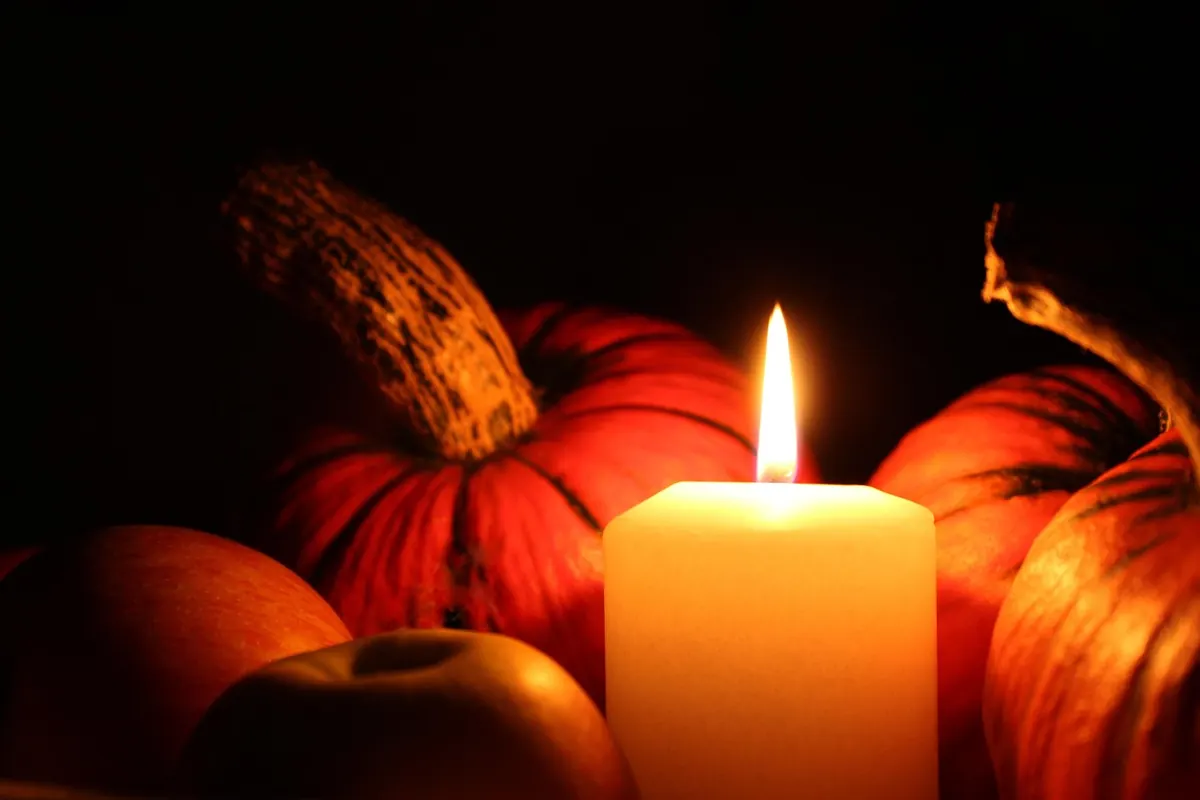
Walk into a candle shop in September and you will meet the same cast of characters: pumpkin, apple, cinnamon, and something called Harvest Glow that smells like a vanilla milkshake. It's a curious thing about fall candle season — the fragrances meant to evoke cool air and dying leaves so often land on sugar instead.
Real autumn doesn't smell sweet. It smells like cold dirt, wet bark, dry grass, wood smoke, the tart skin of an apple. The gap between a candle that genuinely reads as fall and one that reads as a dessert almost always comes down to the note families it's built from, and to how the sweet parts are balanced against something bitter, dry, or smoky.
The Sweetness Is Usually the Problem
Vanilla-type materials are inexpensive, loud, and travel across a room faster than almost anything else. That makes them tempting filler in a fall blend, and it's why so many seasonal candles open beautifully for thirty seconds and then settle into something closer to a lollipop than a leaf pile.
Sweetness isn't the enemy. Unbalanced sweetness is. A caramel note sitting on top of tobacco, cedar, and a thread of smoke reads like a warm kitchen in November. The same caramel floating alone reads like a candle you'd find next to the checkout at a drugstore. When you're sniffing in the aisle, ask yourself what is holding the sweet note up. If the answer is nothing, put it back.
The Families That Actually Read as Autumn
Fall fragrance notes group into a handful of families. Most candles blend two or three, but you can usually tell which one is doing the heavy lifting.
Woods and Resins
Cedar, fir balsam, pine, cypress, juniper, sandalwood, guaiac wood, and vetiver give you structure and that dry, sappy quality you get from a woodpile. Resins — amber, labdanum, benzoin, frankincense, myrrh — add depth and a slightly sticky warmth that feels like tree sap on your fingers. Note that amber is usually a blended accord rather than a single material, so quality varies widely. A good amber smells dusty and resinous; a cheap one smells like pancake syrup.
Smoke, Char, and Leather
Birch tar, woodsmoke, embers, tobacco leaf, and suede are the fastest route to an October evening. They are also the easiest to overdo. A smoky note should smell dry and faintly sweet, like the outside of a chimney, not like a wet ashtray. If you can only picture cigarettes, that's not the candle's fault — it's a bad smoke accord, and it will not improve with burning.
Earth, Moss, and Dried Things
Patchouli, oakmoss, damp soil, mushroom, hay, dried leaves, and tea notes are the most underrated group in fall candlemaking. Patchouli has a reputation problem, but a clean, small dose in a blend reads as forest floor rather than head shop. Hay and dried-leaf accords do something no spice can: they smell like a lawn in late October, when everything is going brown and the air turns sharp at dusk.
Orchard Fruit, Done Honestly
Apple, pear, quince, fig, plum, and cranberry belong in fall candles — just not the candied versions. A good apple note has bitterness in the peel. A good fig is jammy and slightly green. If the fruit smells like it came out of a gummy bear, the candle is going to smell like a gummy bear for the next forty hours.
Gourmand, But Earned
Vanilla, tonka, caramel, maple, coffee, chai, and bourbon are legitimate fall notes. They simply need a bitter or smoky partner. Vanilla plus tobacco and cedar: excellent. Vanilla plus "buttercream" and "frosted sugar": that's a bakery candle wearing a flannel shirt.
Real Spice vs. Pumpkin Spice
Cinnamon, clove, cardamom, nutmeg, ginger, and star anise are wonderful when you can tell them apart. Cinnamon bark is dry and faintly bitter. Clove is sharp, almost medicinal. Cardamom is cool and green. Nutmeg is dusty and warm. The trouble starts when all of them get folded into one sweet accord with heavy vanilla, and the blend collapses into a single note that smells like a coffee-shop syrup pump.
The fix is pairing. Spice plus wood reads as autumn. Spice plus smoke reads as autumn. Spice plus marshmallow, icing, or cream reads as a scented lotion. Look at the third and fourth notes on the label, not the first.
Reading a Label in Ten Seconds
- Find the anchor. A wood, resin, smoke, moss, or tea note somewhere in the list. If the first three notes are all food, expect sweet.
- Hunt for a dry or bitter word. Cedar, birch, tobacco, vetiver, oakmoss, hay, leather, black tea. These are the notes that keep fall from sliding into dessert.
- Count the sugar words. Cream, icing, butter, sugar, frosting, candy. One is fine. Two or more and you're buying a bakery.
- Check the base. If the description separates top, heart, and base notes, a base of woods or resins means the autumn impression will still be there in hour three.
- Ignore the name. "Harvest," "Cozy Nights," and "First Frost" mean nothing. The note list means everything.
Small Habits That Change How It Smells
Trim the wick to about a quarter inch before every burn. On the first light, let the candle burn two to three hours so the melt pool reaches the edge of the jar; that prevents tunneling and the sooty, bitter edge that ruins an otherwise good blend. Match the candle to the room — a big three-wick in a small bathroom will smell sweet and cloying no matter how good it is.
Give your nose a break. Light the candle, leave the room for twenty minutes, then come back. Fragrance fatigue sets in fast, and the first impression is usually the accurate one. A little airflow helps too; a sealed, warm room pushes every note toward syrup, while a cracked window keeps things crisp. If you're sensitive to smoke or fragrance, keep burn sessions short and ventilate, and follow the manufacturer's instructions on the jar.
Where to Start This Season
Buy four candles, one from each family: a woods-or-resin, a smoky, an earthy, and a tart orchard fruit. Burn them one at a time on separate cool evenings, in the same room, with the lights low. Within a week you'll know which family your nose reads as fall — and it may not be the one you expected. Then stock up on that family and stop gambling on names.
Two candles that smell like cold air and bark will do more for a room in October than six that smell like a candle shop's version of a pie.
Photo: Lolame / Pixabay